Training the next generation of doctor-helicopter pilots
Based on CBC's October 24, 2026 reporting. This is not a nationwide shutdown or a new program beginning that day.
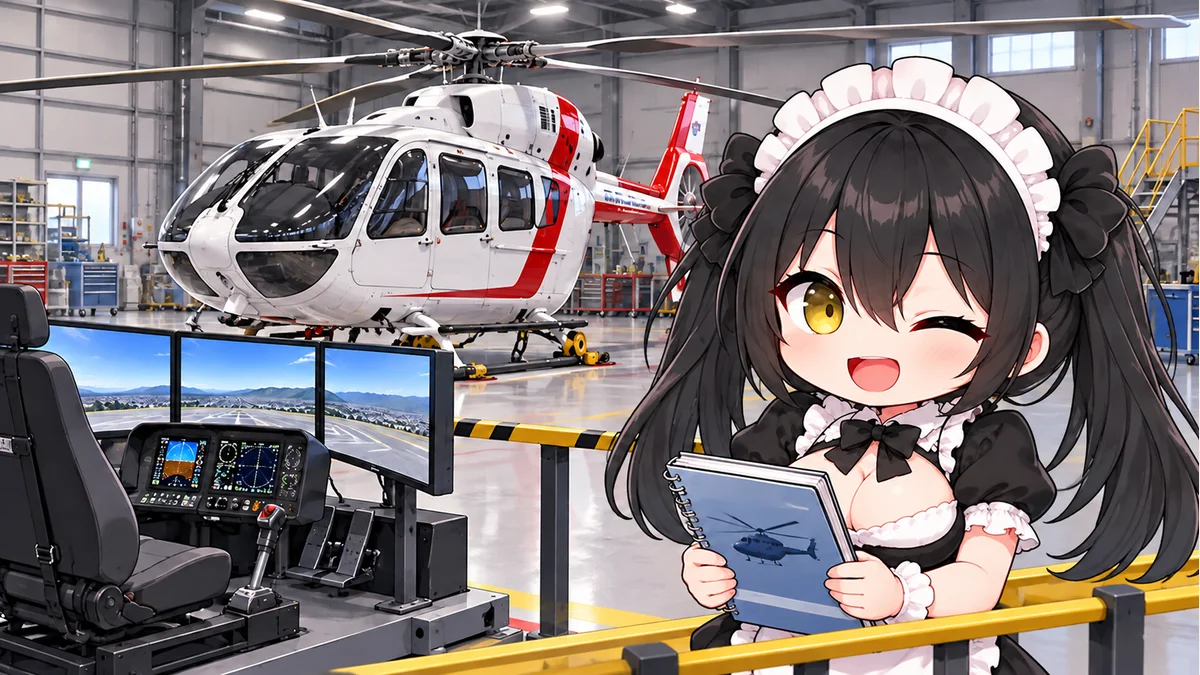 Illustration
CBC reported October 24 on aging pilots and barriers to training their successors. Qualification costs and opportunities to gain flight experience matter alongside aircraft and medical equipment.
Read for 8 seconds to inform recommendations.Reading history & counting settings
Based on CBC's October 24, 2026 reporting. This is not a nationwide shutdown or a new program beginning that day.
Aging crews and fewer experience-building opportunities
CBC reported that more than 70% of doctor-helicopter captains nationwide were at least 50. Interviewed pilots described fewer opportunities for younger colleagues to accumulate flight experience, including work replaced by drones. This is not a confirmed forecast of future vacancies.
Financial support and simulator training
The report put licensing costs above ¥20 million. Nakanihon Air provides scholarships up to ¥10 million and introduced a new flight simulator in 2025. Repeated practice before real-aircraft training and financial support are examples of investment in sustaining regional emergency transport.

Sources & further reading
Our own summary based on the public information below.
- CBC NEWS:ドクターヘリの操縦士不足と若手育成(ライブドア掲載) ↗Source publication date: 2026-10-24
This is a record of information available at publication. Later reports may change the details. Check the source for current weather, safety and market information.